Get skin confident again!
SCAR & STRETCHMARK CAMOUFLAGE UK
Scar & Stretch Mark Camouflage UK
Paramedical micropigmentation and inkless MCA needling, delivered by Kandor Approved Practitioners across the UK.
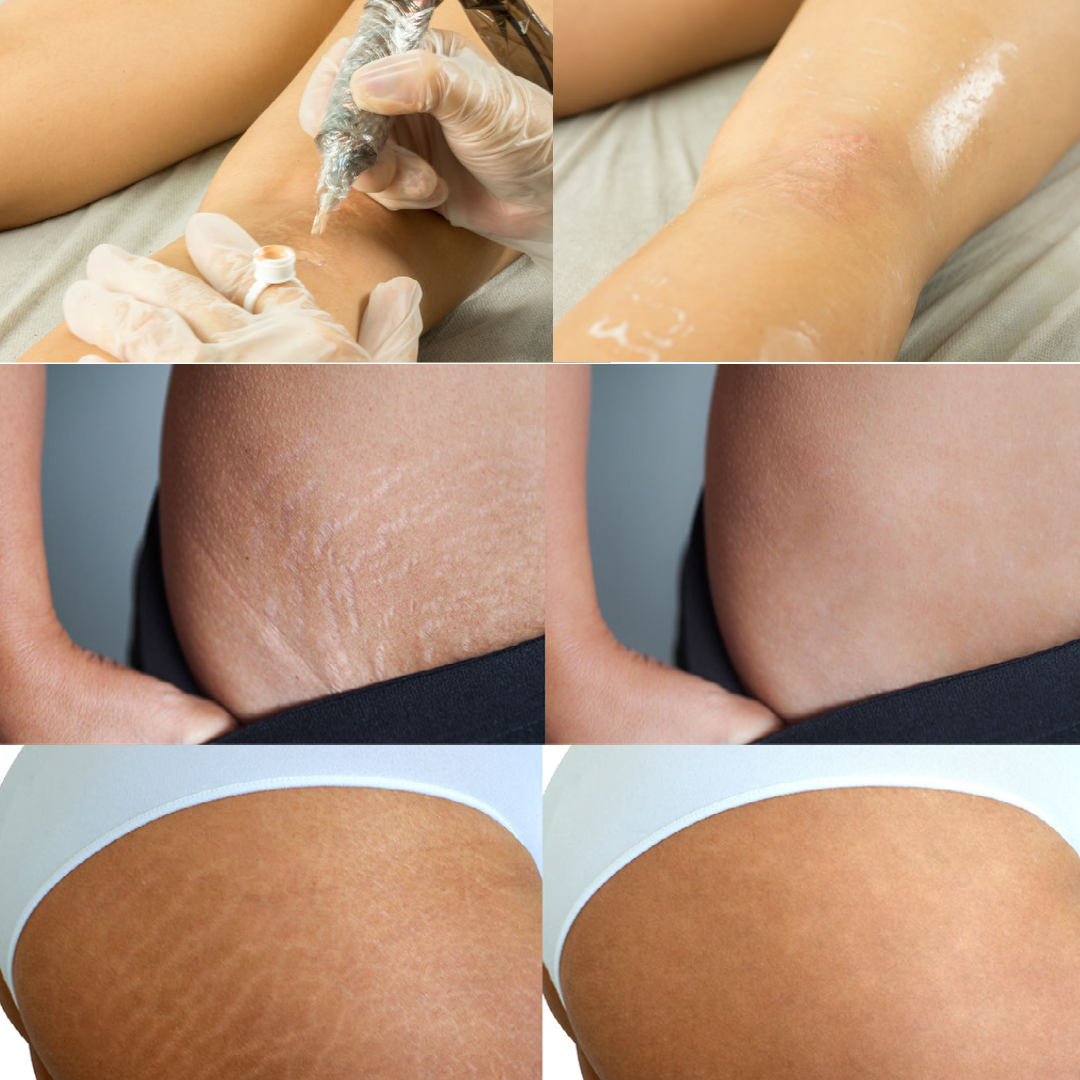
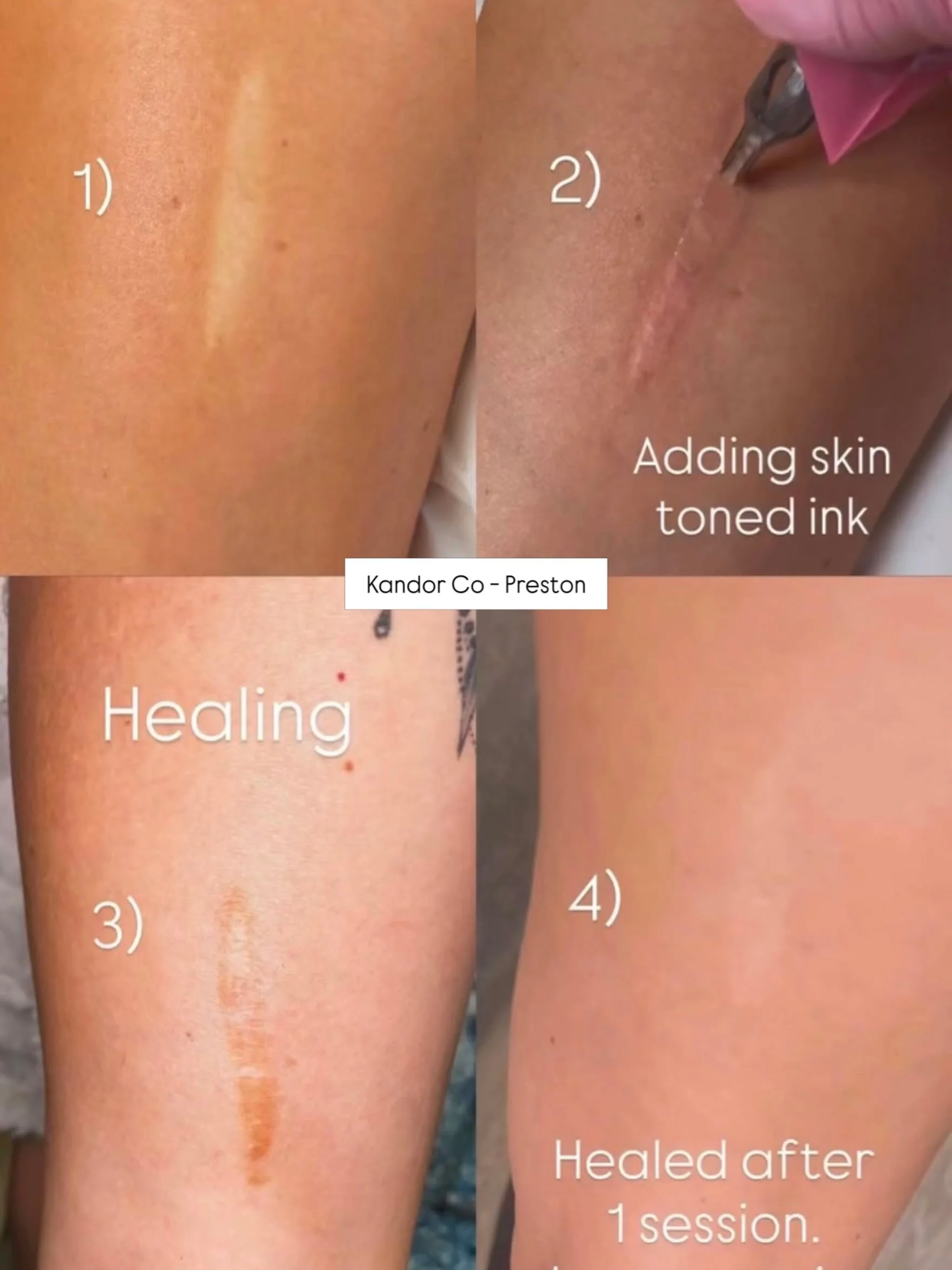
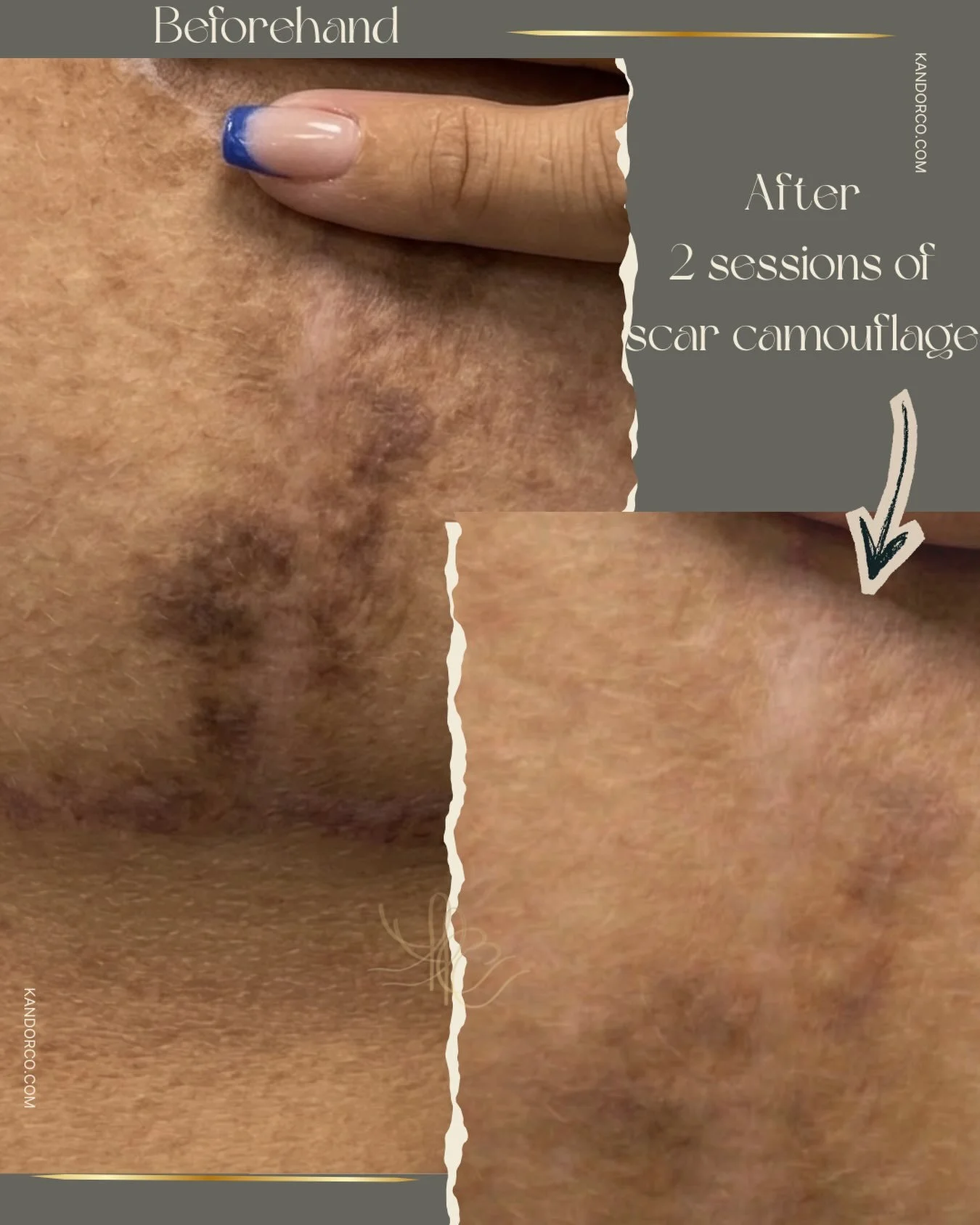
Scar camouflage reduces how visible a scar, stretch mark or patch of discolouration is, by blending the treated area into your surrounding skin tone. It does not erase anything, and any practitioner who tells you otherwise is selling you something. What it does do, properly done, is make the mark far harder to see.
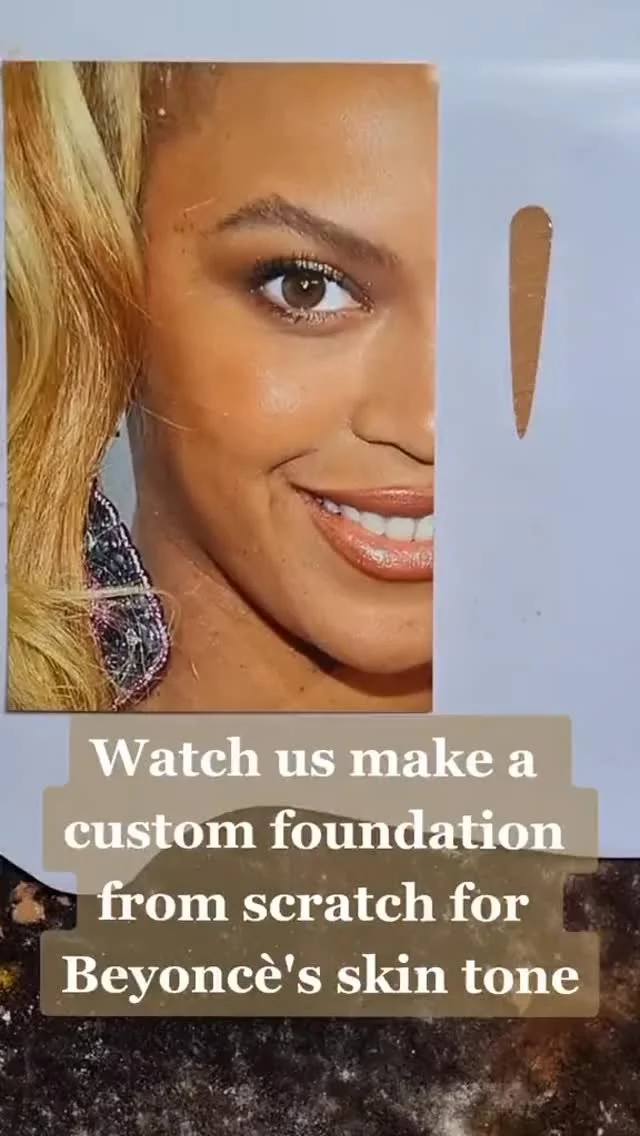
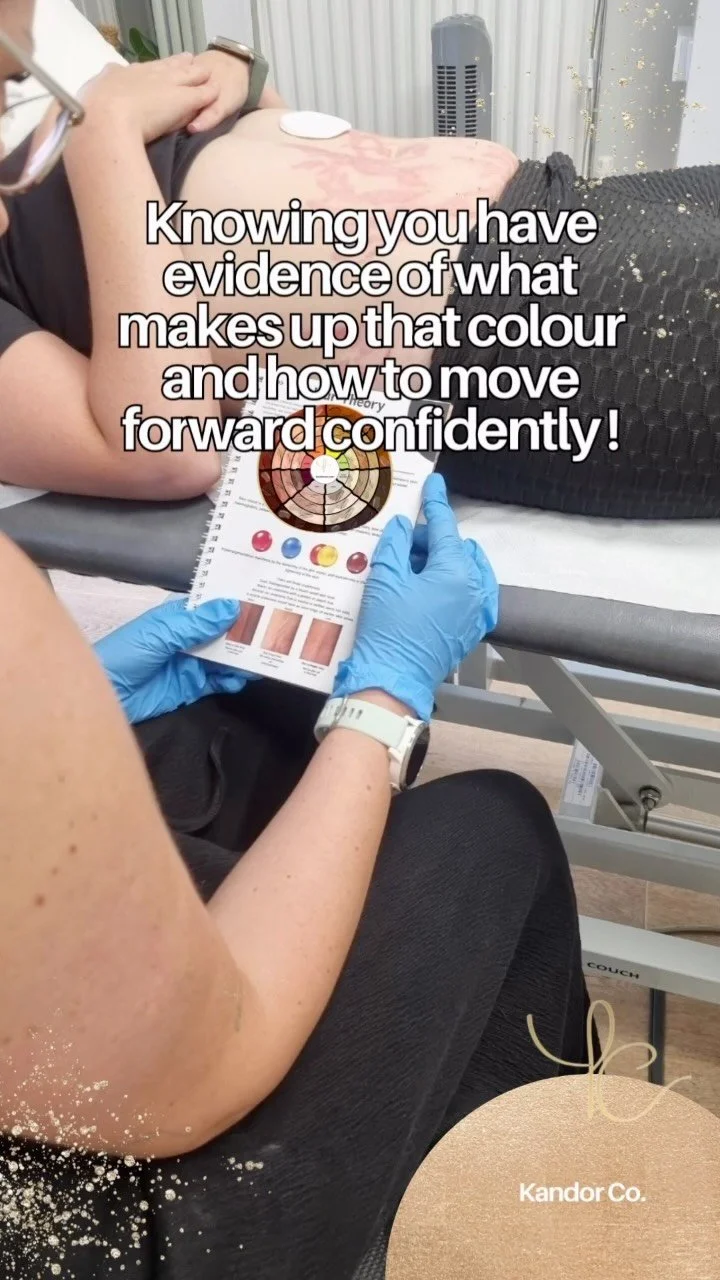
Kandor Co. was founded by Keira Walcott, who has lived with vitiligo since she was eleven. The colour matching system every Kandor Approved Practitioner trains in exists because nothing on the market matched her own skin.
What is scar and stretch mark camouflage?
Scar camouflage is also called paramedical micropigmentation, paramedical tattooing, medical needling or corrective pigment camouflage. You may see all of those terms used for the same family of treatments.
There are two methods, and most clients need a combination of both.
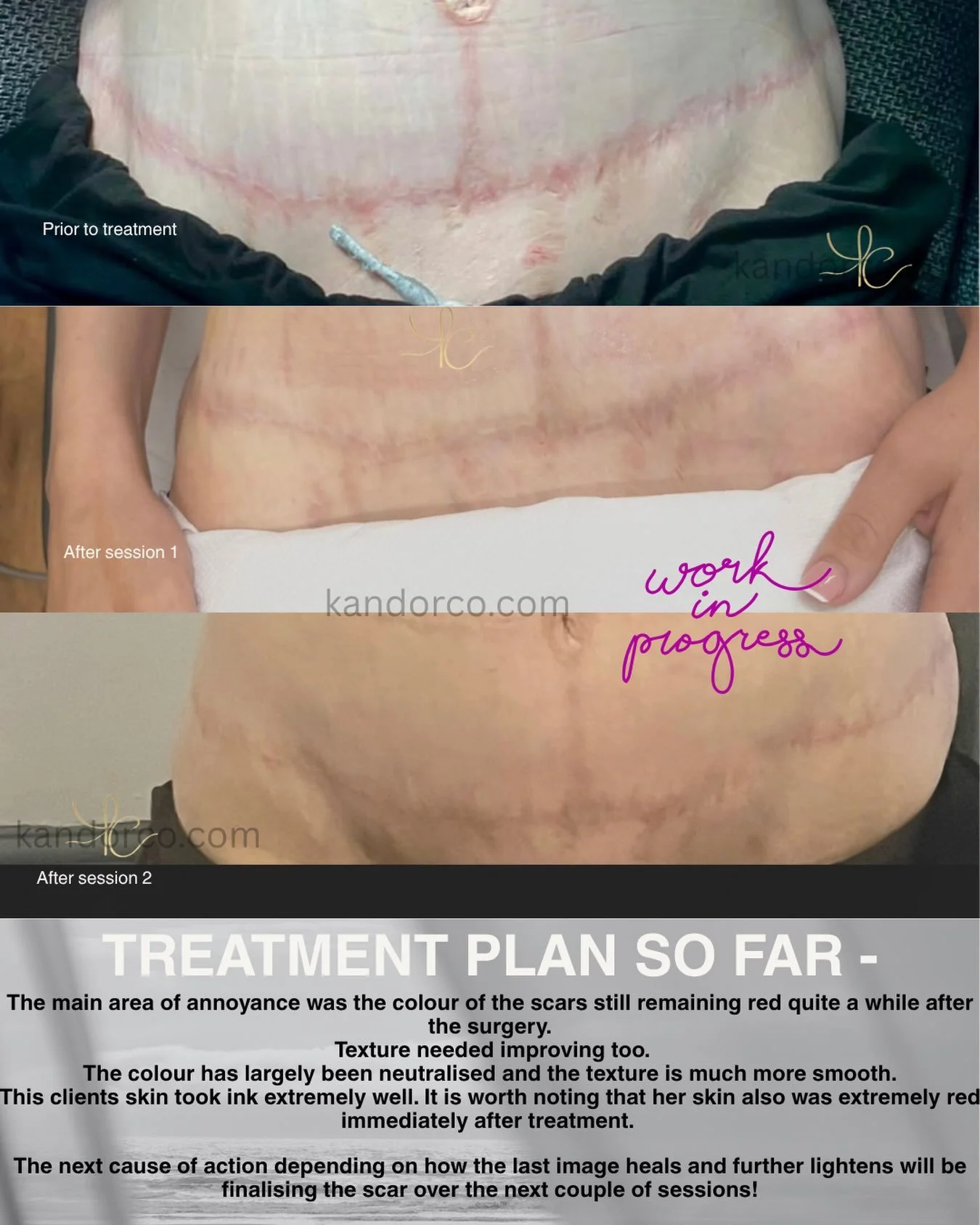
Pigment camouflage. Skin matched pigments are implanted into the upper layers of the skin so the treated area blends with the tone around it. This suits flat, pale, settled scars, vitiligo and hypopigmentation.
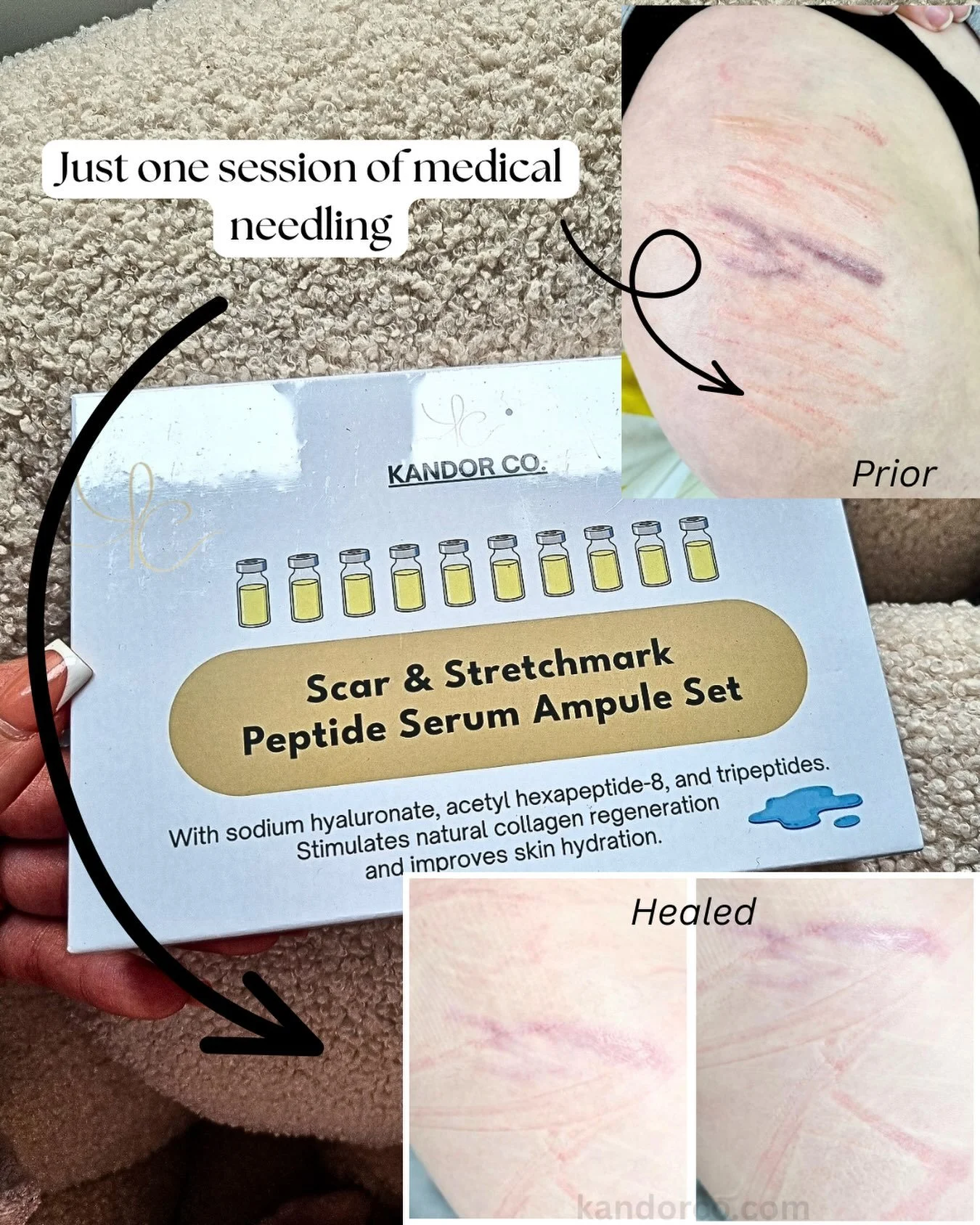
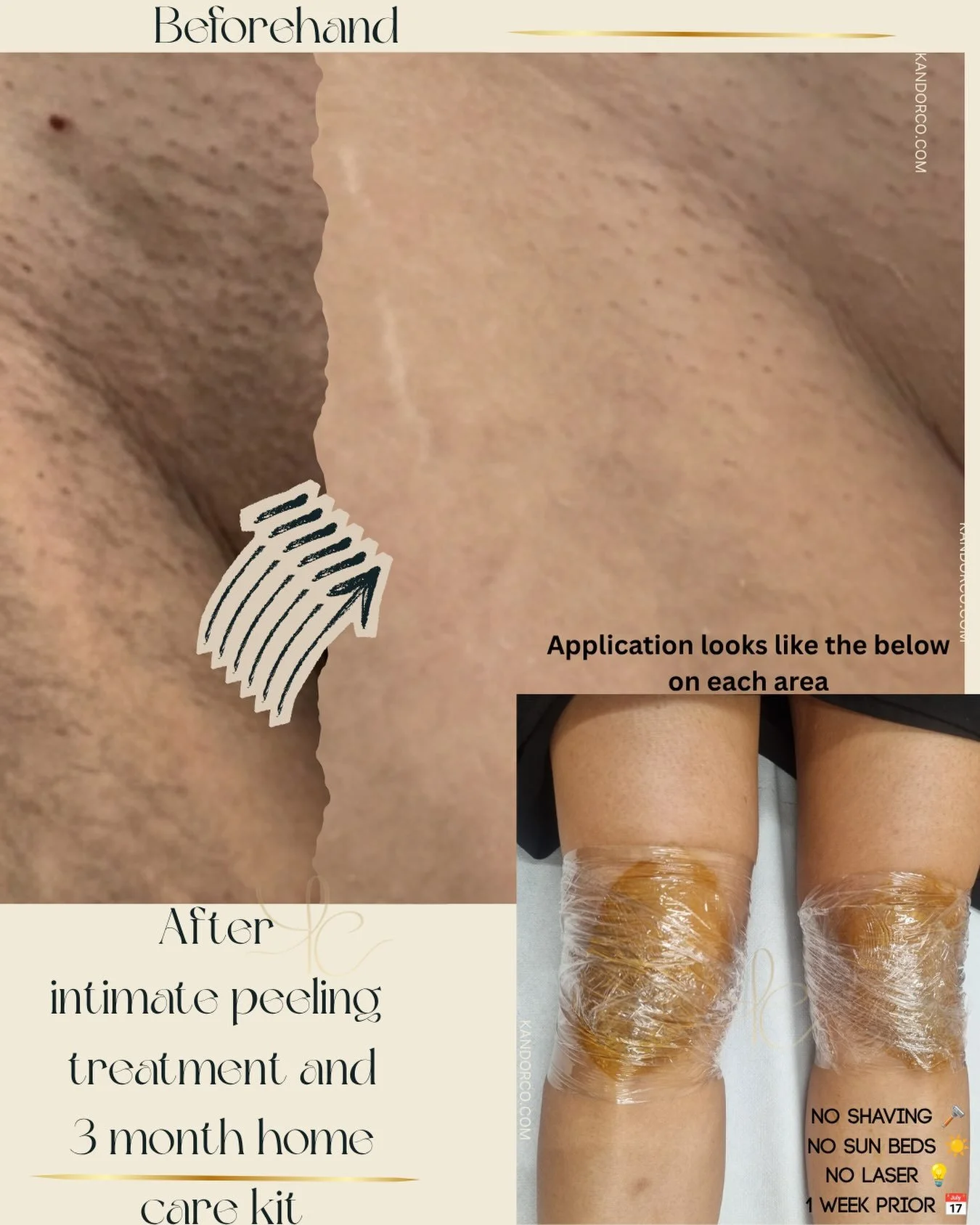
Inkless MCA needling. No pigment is used. Controlled micro channels and a peptide serum encourage your own skin to rebuild tone and texture. This suits stretch marks, and textured or darker scars where adding pigment would be the wrong answer.
In many cases visible improvement is achieved within one to two sessions, though this depends on your skin type, the age of the scar and its texture. Your practitioner will tell you honestly at consultation what is realistic for your skin, including if the answer is wait.
Who is suitable for scar camouflage?
Most healthy adults aged 18 and over may be suitable.
Results are typically best when:
Scars are at least six to twelve months old
Stretch marks have settled, sometimes from as early as three months, assessed case by case
Vitiligo is stable, often from three to six months, assessed case by case
The area is no longer red, pink or actively changing colour
The skin has fully healed
This treatment is commonly used for:
Self harm scars
Surgical scars
Cosmetic and plastic surgery scars
Injury scars
Stretch marks
Vitiligo and hypopigmentation
Cleft palate scars
Skin discolouration
Certain congenital skin differences
If you are here about self harm scars, you are welcome, and you will not be asked to explain anything you do not want to discuss.
Can I have scar camouflage if I tan or use fake tan?
Your pigment is mixed to match your skin as it is on the day, so a stable skin tone gives the best long term result.
If you sunbathe or use sunbeds: book at least one month after your last sun exposure or holiday. Do not book within three weeks of going away.
If you use fake tan / beds regularly: this is workable. Tell your practitioner at consultation so your colour can be matched to the shade you actually wear, and you will be asked to sign a waiver confirming that choice.
Why it matters: if your tan fades after treatment, the camouflaged area will look darker than the skin around it, and the mismatch is more noticeable than the original mark. Treated areas also do not tan the same way untreated skin does.
Worth knowing: stretch marks do not tan either, so this is not a new problem you are taking on.
Does scar camouflage hurt?
Most clients report very little discomfort, usually described as light scratching or pressure. It is considerably gentler than conventional tattooing.
Numbing is available if you are nervous or the area is sensitive, though it is rarely needed. Sensitivity varies with scar type and location.
How long does scar camouflage last?
The two methods behave differently, so here is each one honestly.
Inkless MCA needling works with your own skin rather than adding anything to it, so results are generally lasting. Significant weight change after treatment can alter the appearance.
Pigment camouflage is long lasting but not permanent. Expect roughly two to five years depending on your skin type, the area treated, sun exposure and lifestyle. Maintenance sessions refresh the result when you want them.
What is the aftercare for scar camouflage?
Straight after treatment the area will be red and slightly raised, and may look darker or more defined than you expected. That is normal. A thin protective scab forms, and it needs to shed before the real result shows.
Healing timeline
First few days. Redness and sensitivity settle.
One to three weeks. The protective layer sheds and the pigment begins to settle and blend.
Three to four weeks. Final healed appearance is visible.
What to do
Blot completely dry by patting. Do not rub or scrub.
Apply a thin layer of your healing ointment once the skin is properly dry. Bacteria like moisture.
From the next day, apply Bepanthen, Aquaphor or your supplied balm two to three times daily for a week.
Avoid soap on the area while it heals.
Keep your hands off it unless they are clean, and do not pick or scratch. Infection comes from dirty fingers, reused cotton buds and touching the area unnecessarily.
Full written aftercare is provided at your appointment.
What should I avoid after treatment?
Until the area is fully healed:
No sunbeds and no direct sun for a minimum of four weeks. Light fades pigment.
No swimming pools, sea swimming, saunas, steam rooms or hot yoga
No heavy sweating or intense exercise in the early healing stage
No makeup on the treated area
No SPF, lotions, creams, retinols, acids or exfoliants on the area. Healing ointment only.
No laser on the treated area
Is there any downtime?
None. You can go straight back to work and normal daily activities. Keep exercise light for a few days and avoid anything that rubs or knocks the area while it heals.
How much does scar camouflage cost?
Price depends on the size of the area, the complexity of the skin, and how many sessions you are likely to need.
As a guide:
Small single areas, such as a facelift scar: from £100
Standard session, such as stomach or double hip stretch marks: from £375
Larger or multi area work: quoted at consultation
Your exact figure is confirmed after assessment, and consultations are free. You can do this remotely by sending photographs if that is easier.
Top ups. If a correction is needed within six weeks because pigment has not taken, it is free. A standard maintenance top up later on starts from £100, depending on the condition of the skin and how long it has been.
Who is not suitable for scar camouflage?
Camouflage may not be suitable if you are:
Pregnant or breastfeeding
Living with an uncontrolled medical condition, for example blood pressure or diabetes
Taking blood thinners
Experiencing an active skin infection or inflammation
Dealing with out of control psoriasis or eczema on the area
Areas we cannot treat include port wine stains, rosacea and other high capillary areas, liver spots and dark patches, granuloma, recently chemically peeled skin, and anything currently pink, red or raised.
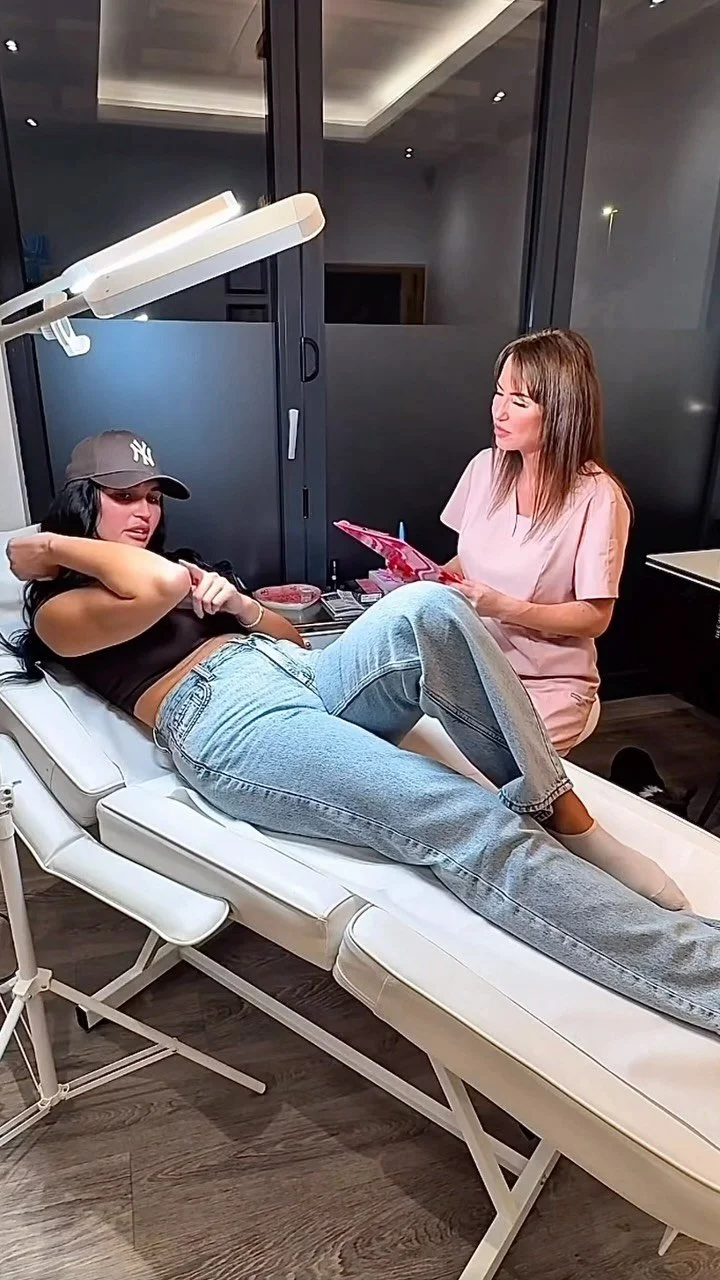
A consultation is required before any treatment is confirmed, and part of its job is telling you if this is not right for you.
Do I need a patch test?
Yes. A patch test is carried out at least 24 to 48 hours before treatment to check how your skin responds to the pigments and products used.
If you choose to decline one, you will be asked to sign a waiver confirming that decision before treatment goes ahead.
All treatments are carried out under strict hygiene and sterilisation standards.
What are the risks?
As with any micropigmentation procedure:
Mild irritation or swelling
Uneven pigment retention
Variation in the final colour match depending on how your skin responds
Infection if aftercare is not followed
An unnatural result if treated by an inexperienced practitioner
Every risk is discussed with you before treatment. This is why Kandor Approved Practitioners train in one method to one standard, and why your consultation exists.
Where can I have scar camouflage?
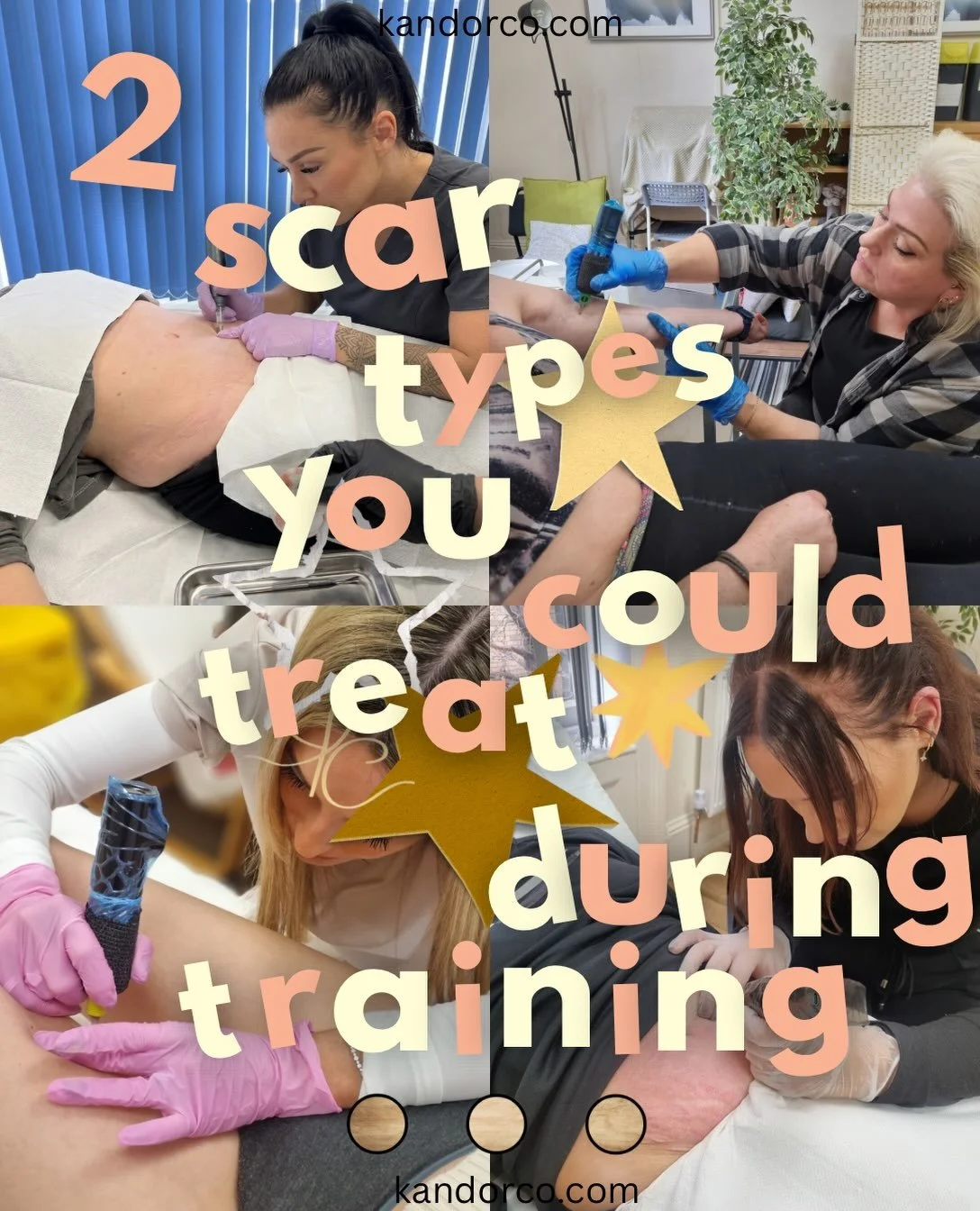
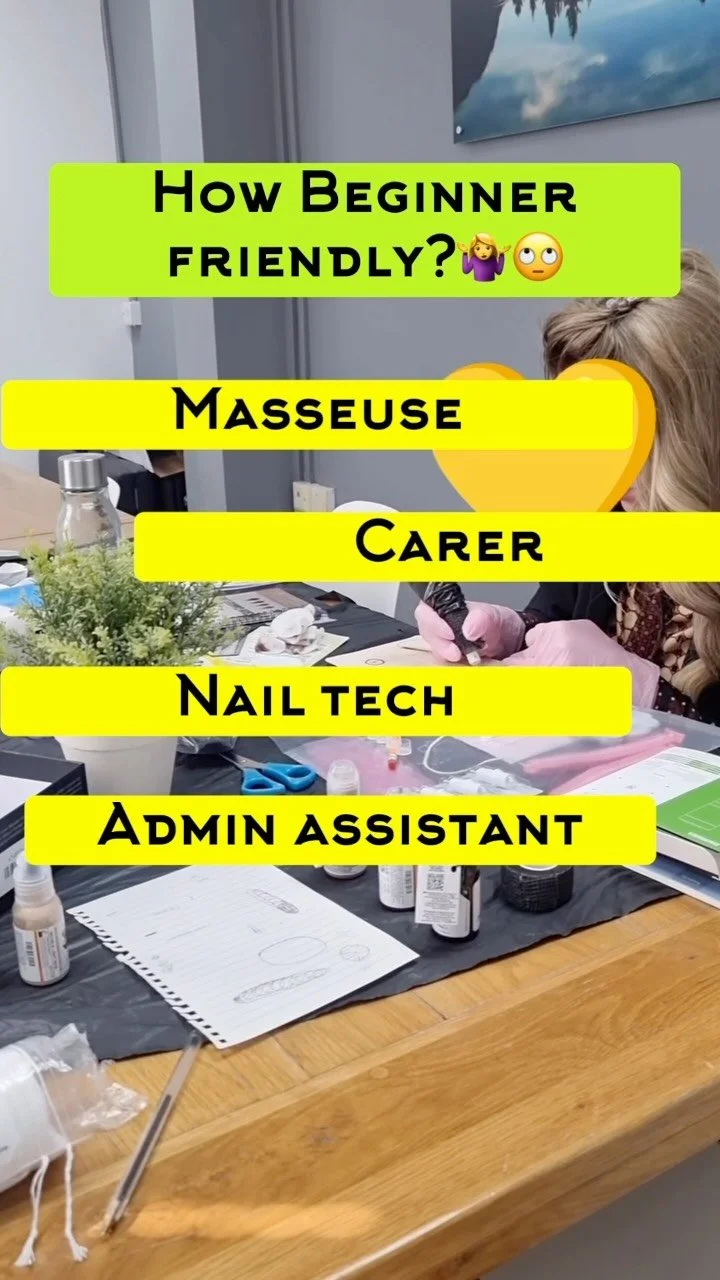
Treatments are delivered by Kandor Approved Practitioners, all trained in the Kandor colour matching method.
Current locations:
London and Greater London
Bedford and surrounding areas
Nottingham and surrounding areas
Preston and surrounding areas
Each practitioner serves roughly a 15 mile radius, so if you are searching for scar camouflage, stretch mark camouflage or inkless camouflage near you, tell us your postcode and we will tell you who is closest.
Skin camouflage is a type of medical or paramedical tattooing called micro-pigmentation so you may also hear it referred to as - "corrective pigment camouflage" (CPC), "corrective camouflage," "skin repigmentation," "scar camouflage," "camouflage tattooing," and "skin colour tattooing".